We Exhibited at Techbook Fest 19!
This article is the 12th entry in the KINTO Technologies Advent Calendar 2025.
Introduction
I'm Uehara (@penpen_77777), a backend engineer in the FACTORY E-commerce Development Group at KINTO Technologies.
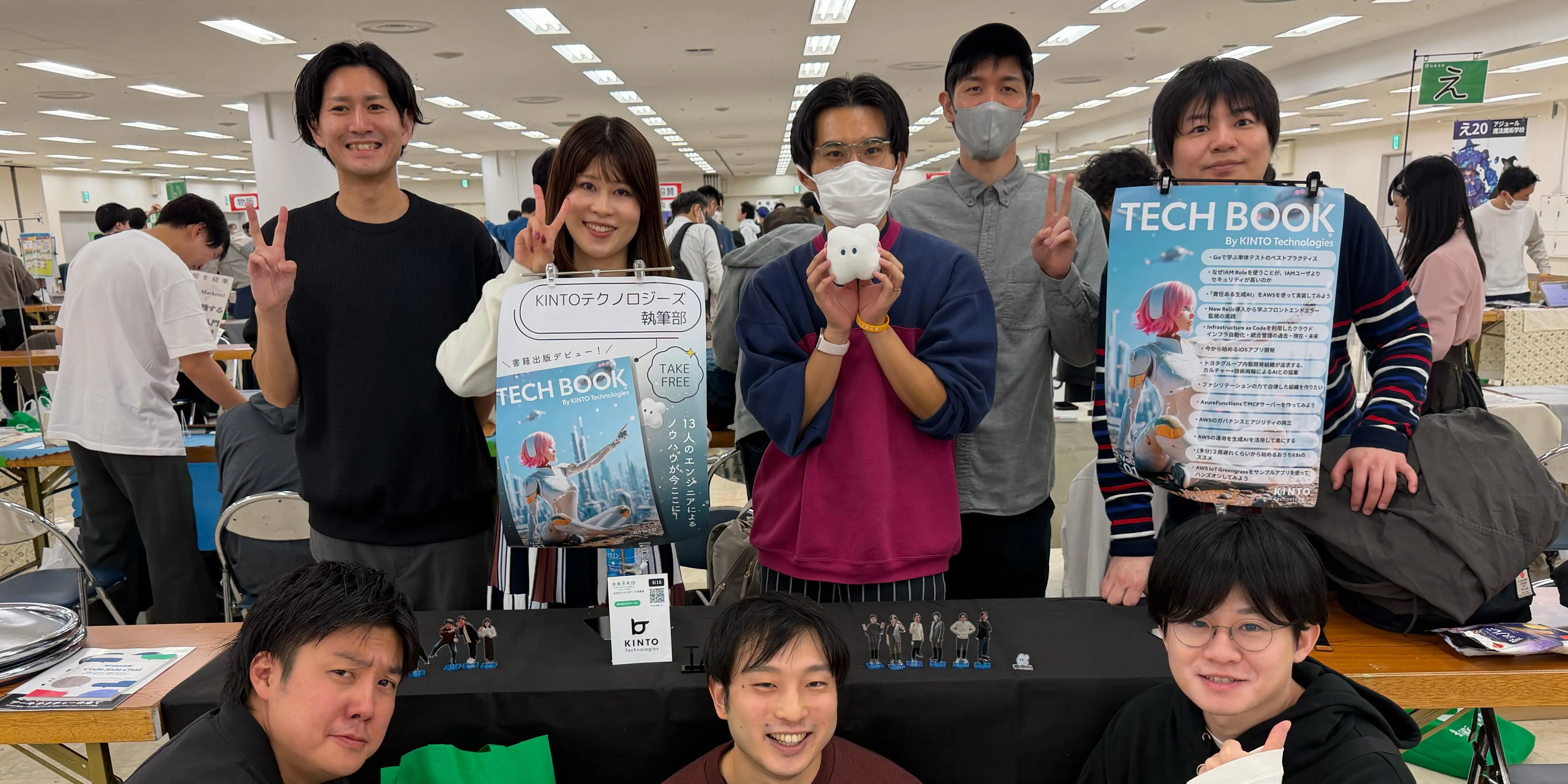
I participated in Techbook Fest 19 as part of the KINTO Technologies Writing Club, a circle (a small creator group) formed by volunteer engineers at KINTO Technologies.
In this article, I'll share our journey of creating a technical book with company volunteers.
Here's the introduction to the new book we created! It's free. If you're interested, please download the digital version.
The Beginning
I had written technical books before and had been wanting to write one again after a long break.
While tech blogs and presentations are sufficient for getting your writing read by others, there's something deeply satisfying about seeing your writing become a physical book.
Since our company had never organized a circle of employee volunteers to write technical books, I decided to take on this challenge.
Building the Team
Finding Supportive People
I started working on this in June, about six months before participating in Techbook Fest.
Finding supportive people early on is extremely helpful when moving tasks forward.
Our company has a Developer Relations Group that can provide consultation for employees' external technical communications.
I truly believe we were able to accomplish this thanks to the Developer Relations Group. I'm very grateful.
Finding People Interested in Writing
Since participating in Techbook Fest was a first-time endeavor, I was worried about whether we could actually gather participants.
Announcing a call for participants company-wide out of the blue felt like a high hurdle.
So I decided to reach out to people who seemed interested and gather those who were highly likely to participate in advance.
At our company, many people use times (personal update channels) on Slack, which is great for casually expressing your thoughts.
By hinting at my desire to exhibit at Techbook Fest, I was able to know who might be interested.
About five people gathered at this point, so I felt reassured that even if a company-wide announcement didn't attract more participants, we could still make the project work.
Making the Announcement
I created a simple slide to recruit writers company-wide.
It summarized information about Techbook Fest and the benefits of writing, designed to encourage participation.

The official sponsorship materials were helpful for introducing the scale of the event.
Selecting a Printing Company
Since we were creating a physical book, we needed to select a printing company.
Techbook Fest has designated backup printing companies, and by submitting your manuscript to one of them, they handle everything from printing to delivering it to the venue. It’s a very convenient system.
The backup printing companies are Nikko Kikaku and Neko no Shippo, and we chose Nikko Kikaku for this project.
Selecting and Configuring the Typesetting System
A typesetting system converts manuscripts into a print-ready format.
Re:VIEW is commonly used as a typesetting system for technical books.
By processing text files written in the proprietary Re:VIEW format through Re:VIEW, they are converted into formats commonly used for e-books such as EPUB and PDF.
The benefit is that the separation of page style settings from content allows writers to focus on the essential task of writing without worrying about appearance.
For this project, we used Vivliostyle[1] as our typesetting system.
Vivliostyle's distinguishing feature is the ability to change appearance using CSS, so anyone familiar with frontend technologies should be able to use it without difficulty.
Since setting everything up from scratch would be challenging, we utilized a template distributed by YUMEMI.
We're very grateful for the distribution of such a template. Thank you!
Based on the above template, we made the following modifications:
- Updated the title, publisher, and colophon for our technical book
- Changed the paper size to B5[2]
- Enabled automatic table of contents output and adjusted the template for sections that weren't outputting correctly
Registering Your Circle for Techbook Fest
While there's a lot to prepare, don't forget to submit your circle participation application.
It might be a good idea to add it to your calendar.
Having Writers to Write
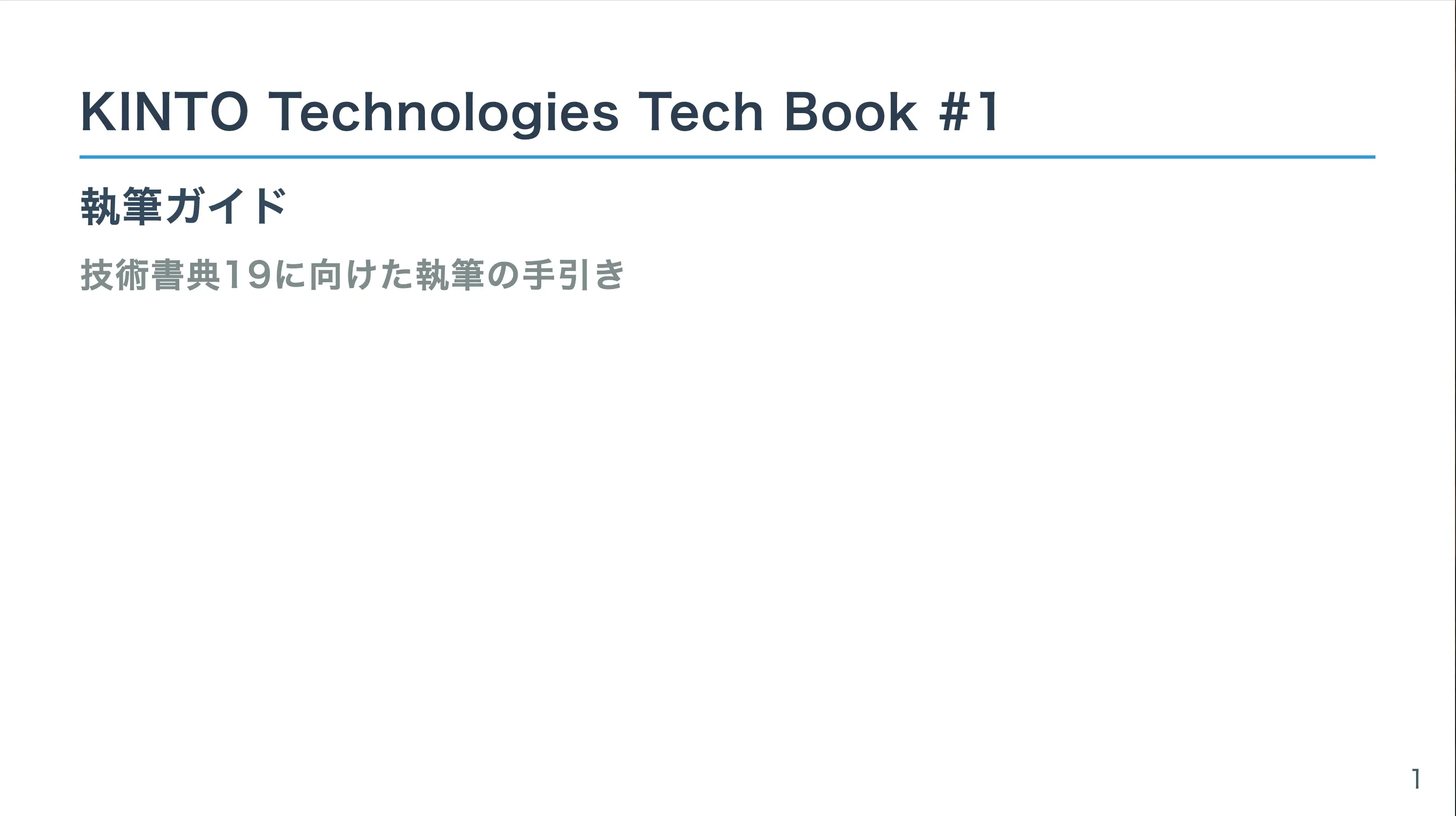
I created and shared guidelines so writers wouldn't struggle with the writing process.
- Overall schedule and what to do in each phase
- Writing methods (Vivliostyle Flavored Markdown[3] syntax, PDF preview methods, etc.)
Manuscript Management
We managed manuscripts on GitHub, with each writer branching off from the main branch to write.
Having each writer create a PR is convenient for tracking progress.
Using Slack Lists
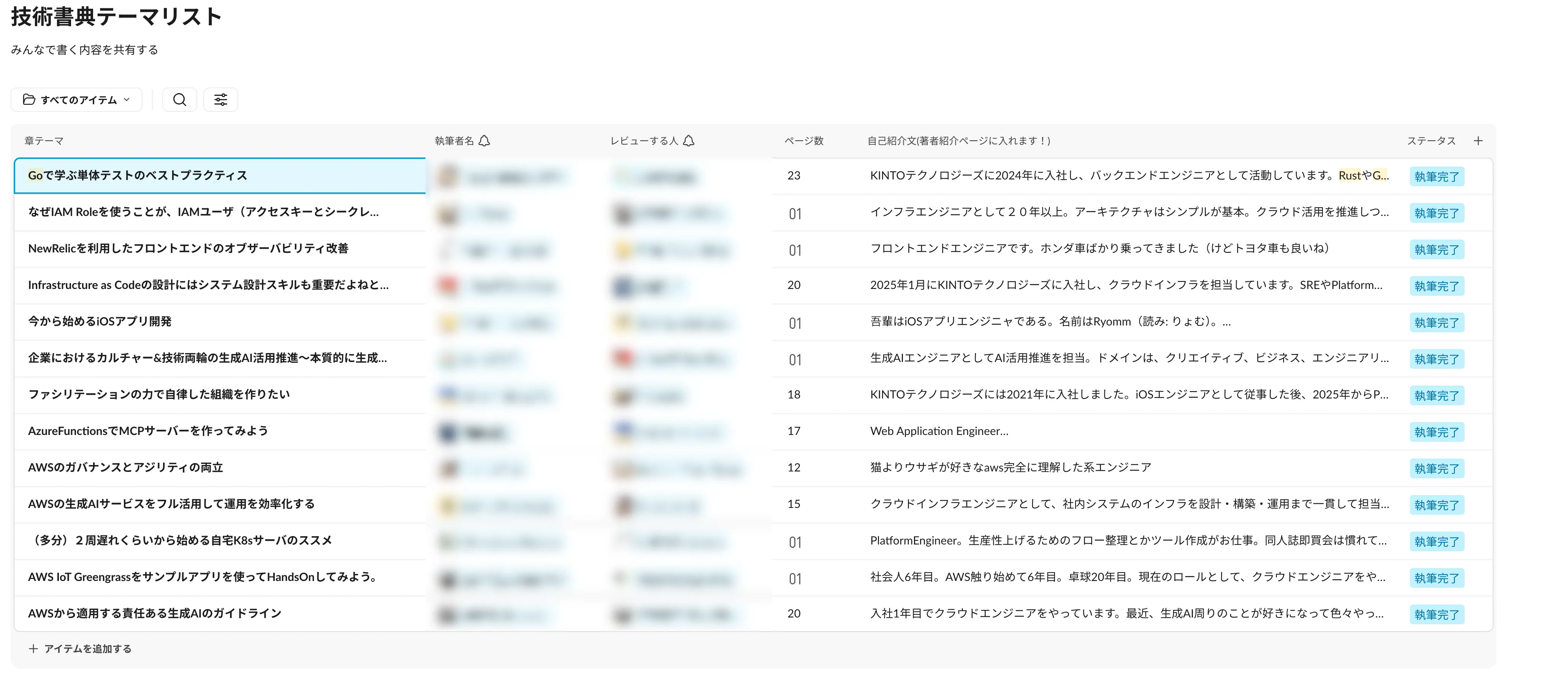
To prevent topic overlap within the book, I asked writers to add their topics to a Slack list once decided.
It's also helpful to include other information you want to track, such as self-introductions for the appendix and writing status.
While we could have managed this with tables in Confluence, I personally check Slack more frequently, so I managed it using Slack lists, which can be used similarly to Notion databases.
Getting the Book Cover Created
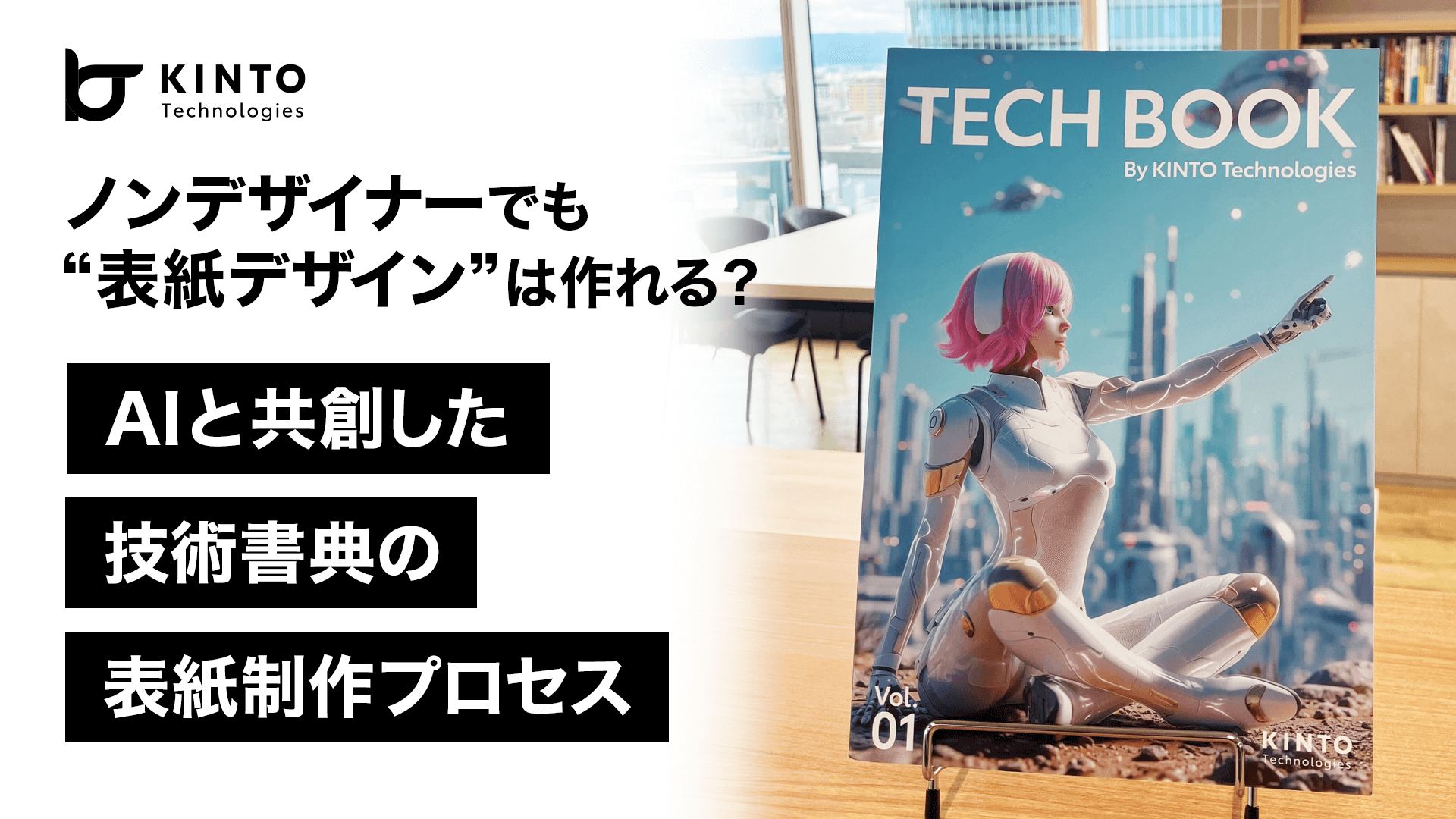
When I was wondering whether to create the book cover myself, one of the participants suggested asking designers from the Creative Office for help.
Since we wanted to create it in a fun, collaborative way, we decided to hold a Generative AI × Live Visual Creation event where designers would create the cover using generative AI.
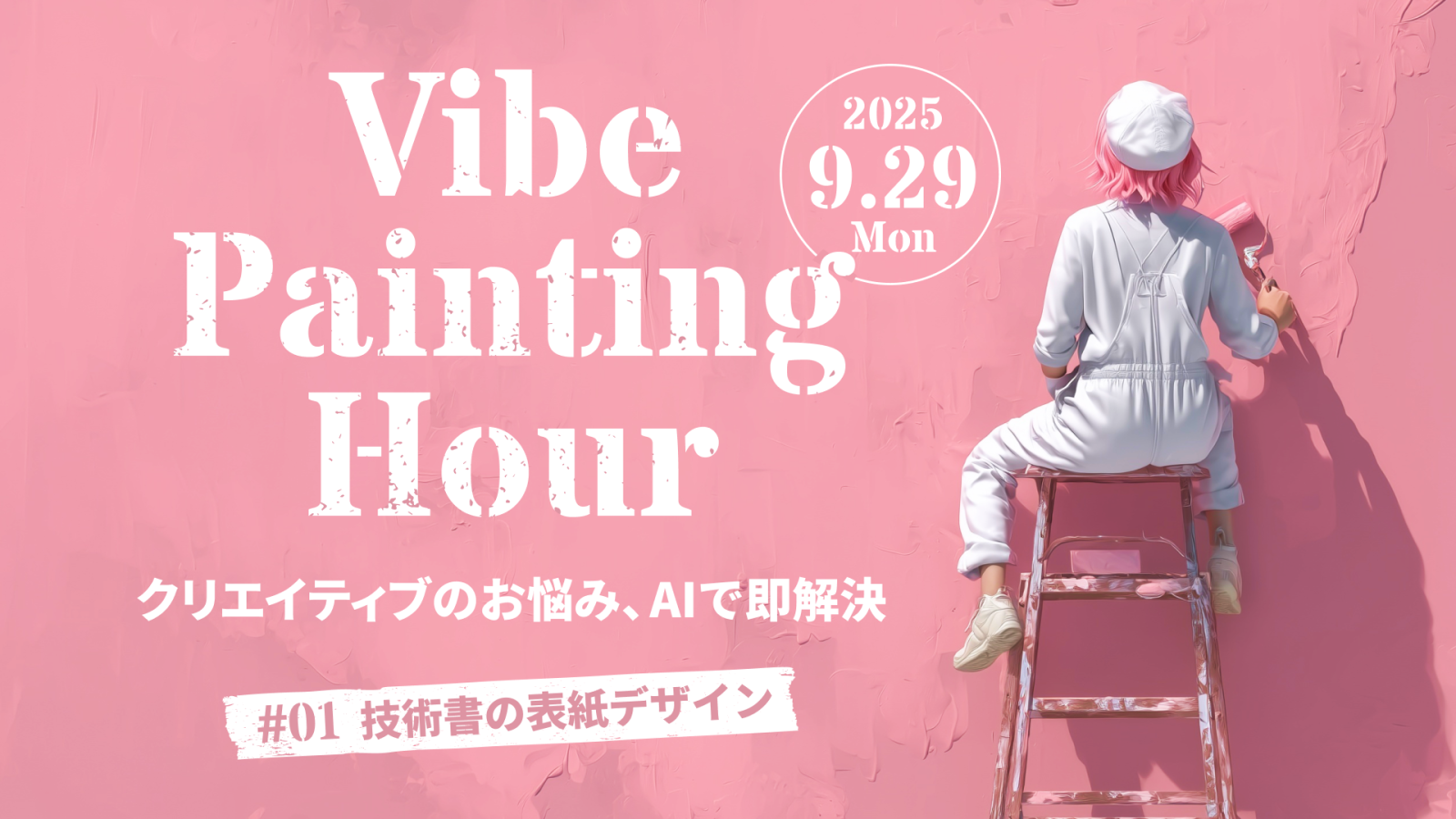
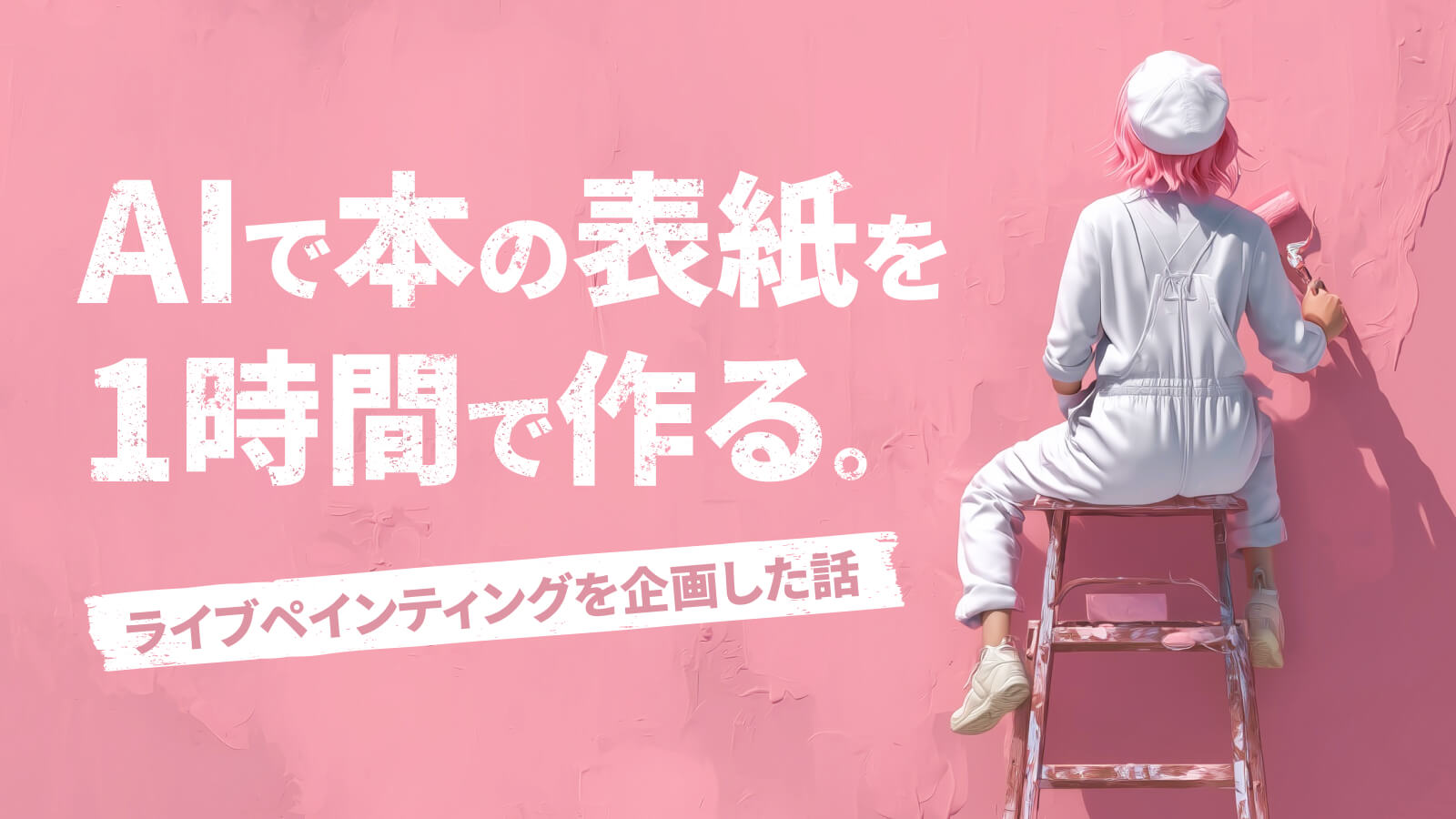
The event held to create this technical book: Vibe Painting Hour #01
Five designers joined the event and, while participants watched, used generative AI to create covers within a one-hour time limit.
Despite my vague request to create a cover with a sense of mobility and futuristic feel, all five final cover proposals were of such high quality that choosing only one seemed like a waste!
Through participant voting and my judgment, the cover for this technical book was selected.
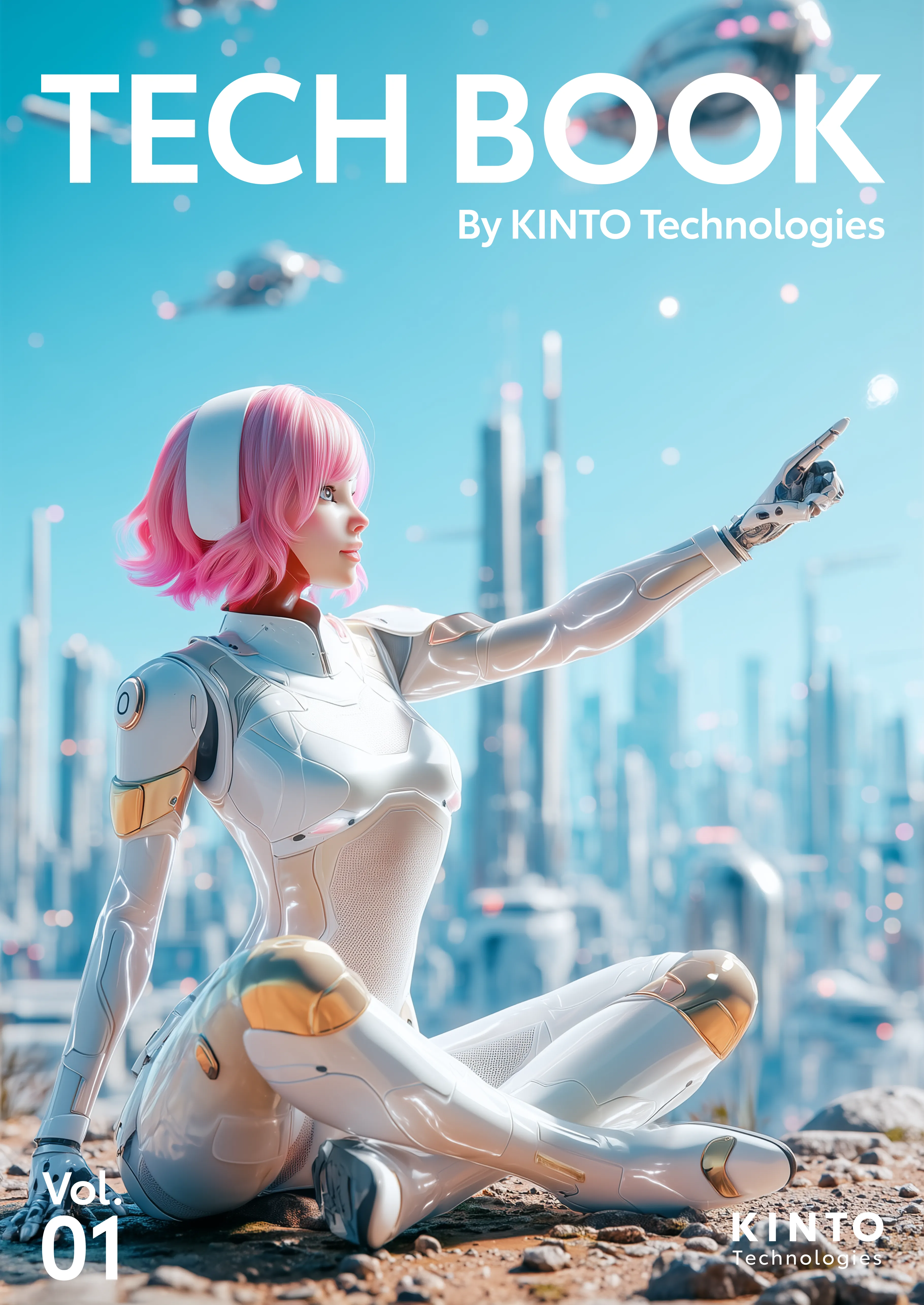
The cover of our new book, TECH BOOK By KINTO Technologies Vol.01.
Setting Manuscript Deadlines
This is important. The submission deadline is absolute, so you should set it with plenty of buffer time.
Also, it's best to assume that manuscripts won't be ready on the first try.
You should set not just one deadline but two or three backup deadlines, with minimum requirements for each deadline.
Having Writers Review Each Other's Work
We had writers review each other's work.
The review items followed our external communication review guidelines, while also keeping in mind that the final product would be a physical book.
Since you can't even start reviewing without all manuscripts being submitted, I recommend setting the second deadline early.
Proofreading
After compiling all manuscripts, we adjusted the overall page layout.
After noticing the font size was too small, I made it slightly larger. The table of contents had grown to 10 pages, so I narrowed down the items to include.
We also had to adjust the page count to be a multiple of four, or the submission wouldn't be accepted.
This caused display issues in some chapters, so we asked writers to make corrections.
Since we were working under time pressure, we decided to set the third deadline early.
Submission
Once the PDF file for submission was ready, we submitted it to the printing company.
With Nikko Kikaku, we paid in advance and then sent the cover and body data via a form.
If there were any data issues, they would point them out and we'd need to resubmit. This time there were no issues and submission went smoothly.
Booth Setup Simulation
With help from a Developer Relations team member who was experienced with booth setup, we carried out a simulation the day before.
By visualizing the booth in advance and identifying what we needed, I think we avoided the situation where we'd look at the actual booth on the day and feel like "hmm, this isn't quite what I imagined..."
The Day of the Offline Event
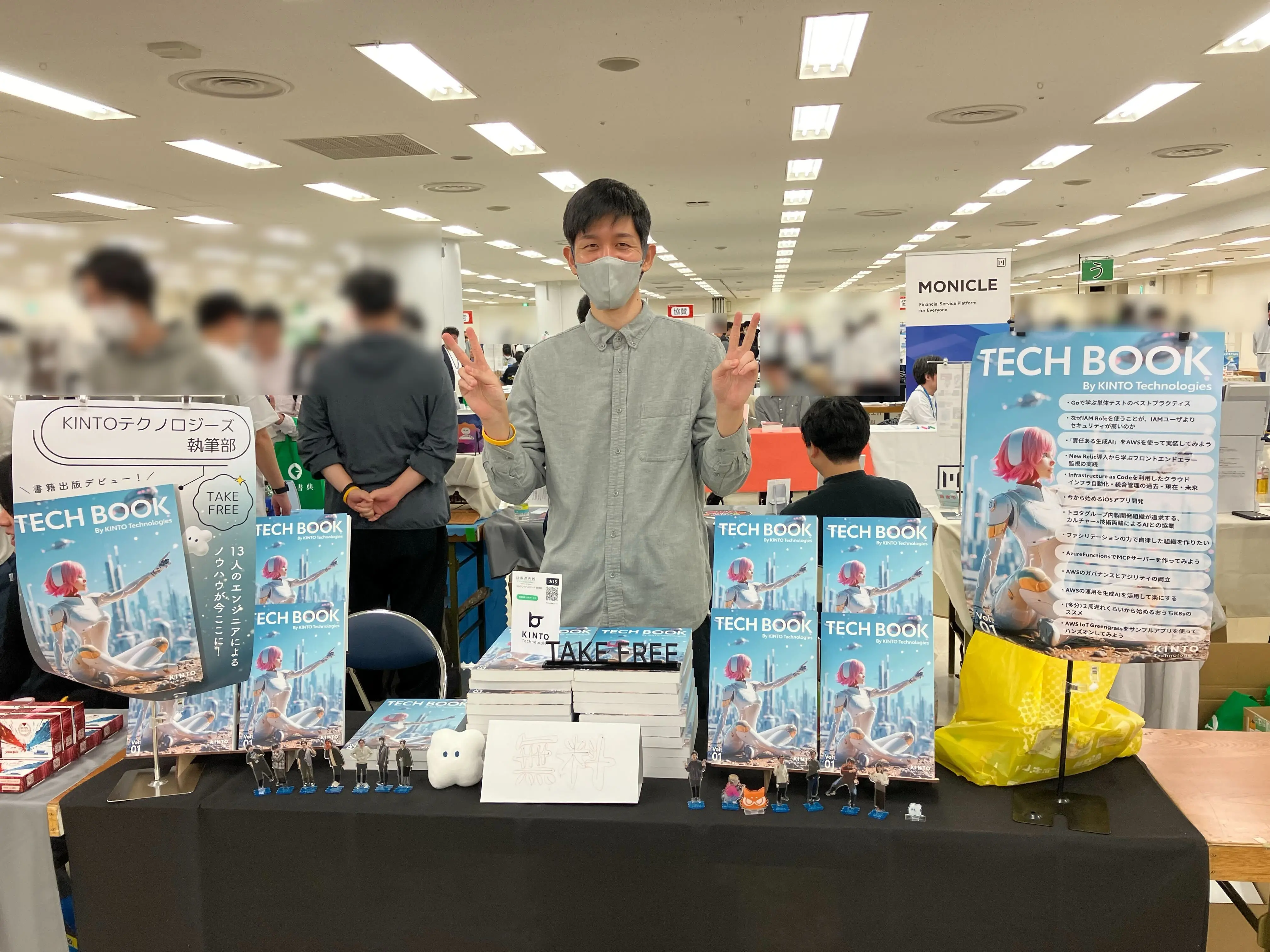
When I first saw the finished book at the offline venue, I thought it was thicker than expected.
Since we distributed this thick book for free, we heard surprised reactions from attendees.
We printed about 300 copies and distributed them all, so I think it was a great result for our first participation!
Depositing at the National Diet Library
The day after Techbook Fest, we deposited the book at the National Diet Library. Apparently, publications issued for distribution within Japan are generally subject to legal deposit, and even technical doujinshi like ours can be deposited.
Publications issued for distribution within Japan are, in principle, all subject to legal deposit (see "Overview of the Legal Deposit System").
When you deposit publications with the National Diet Library, their bibliographic data becomes searchable as the "National Bibliography" through the NDL Search. Additionally, they are widely used as library materials, preserved as cultural assets shared by the nation, and passed down to future generations as records of the Japanese people's intellectual activities.
I also referenced the following article for the deposit process.
Off to Deposit
Being a central government location, various train lines converge here, including the Ginza, Marunouchi, and Hanzomon lines.
Exit 2 is the closest to the National Diet Library, so depending on your line, you may need to walk a bit.
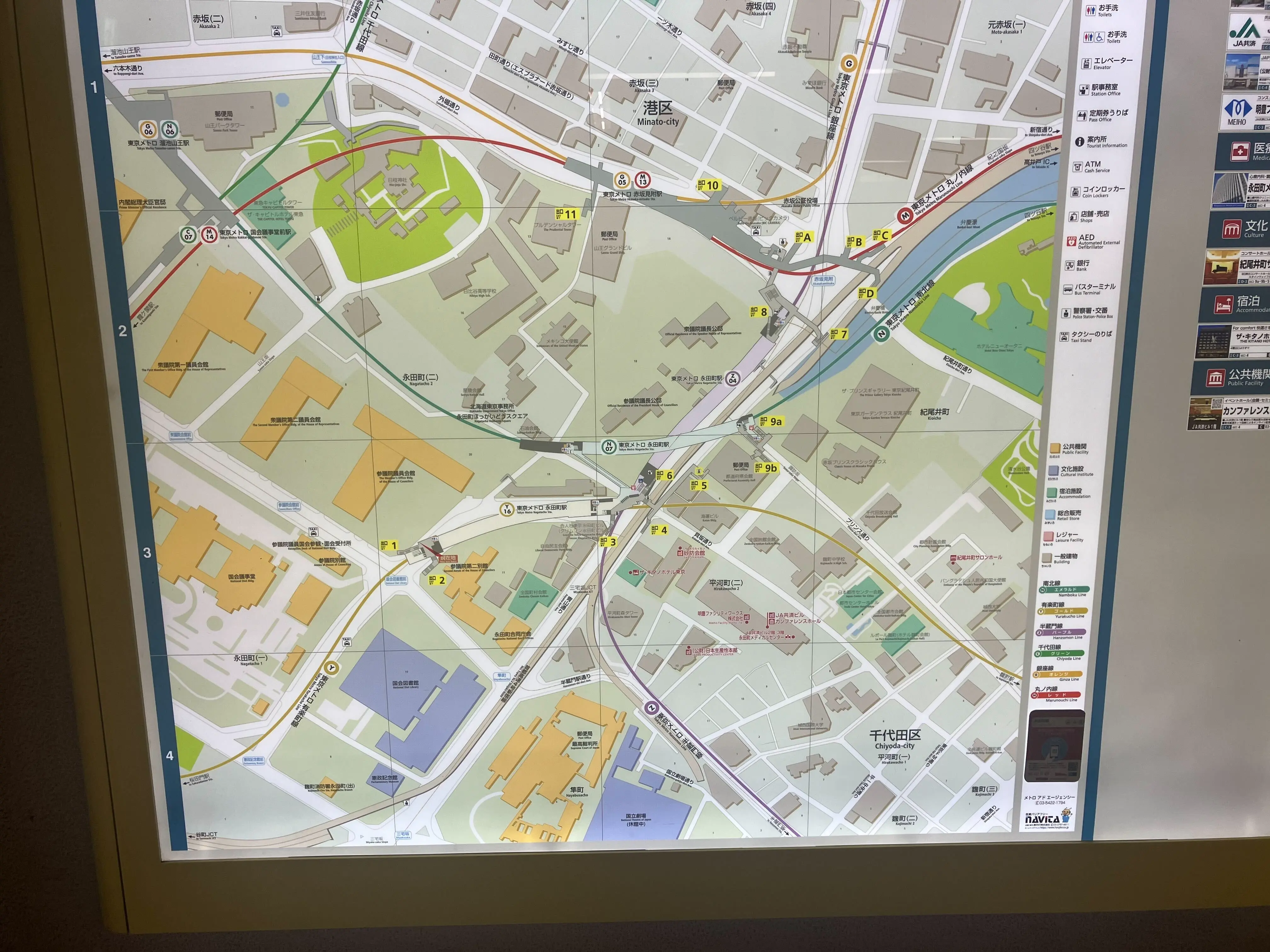
Area directory near the station. Exit 2 is the closest. I took the Ginza Line, so I had to walk quite a bit.
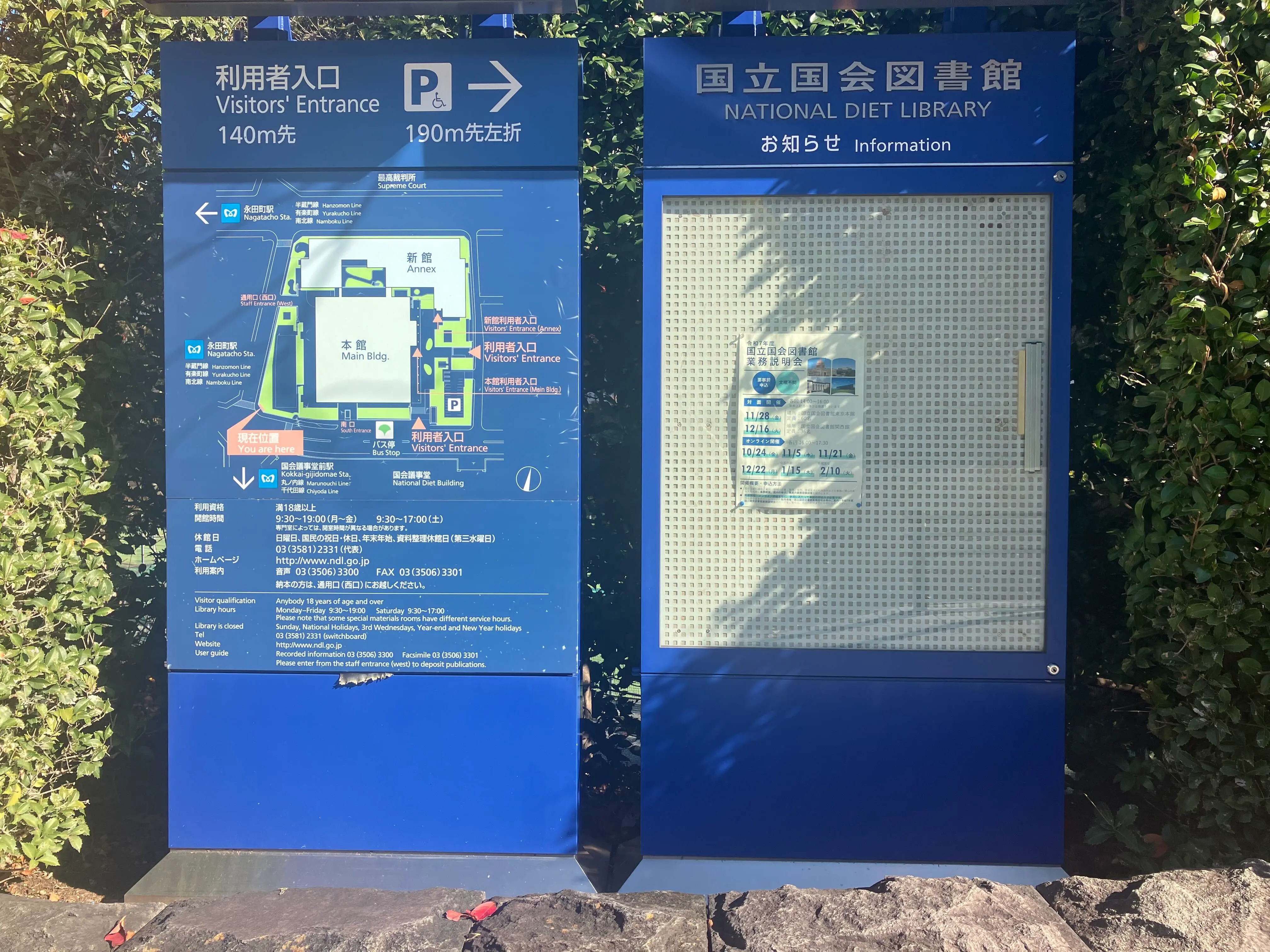
National Diet Library sign. There's a notice that those depositing materials should go to the service entrance (west gate).
Enter through the National Diet Library's service entrance (west gate) and tell the security guard at the building entrance that you want to deposit books, and they'll handle the procedure.
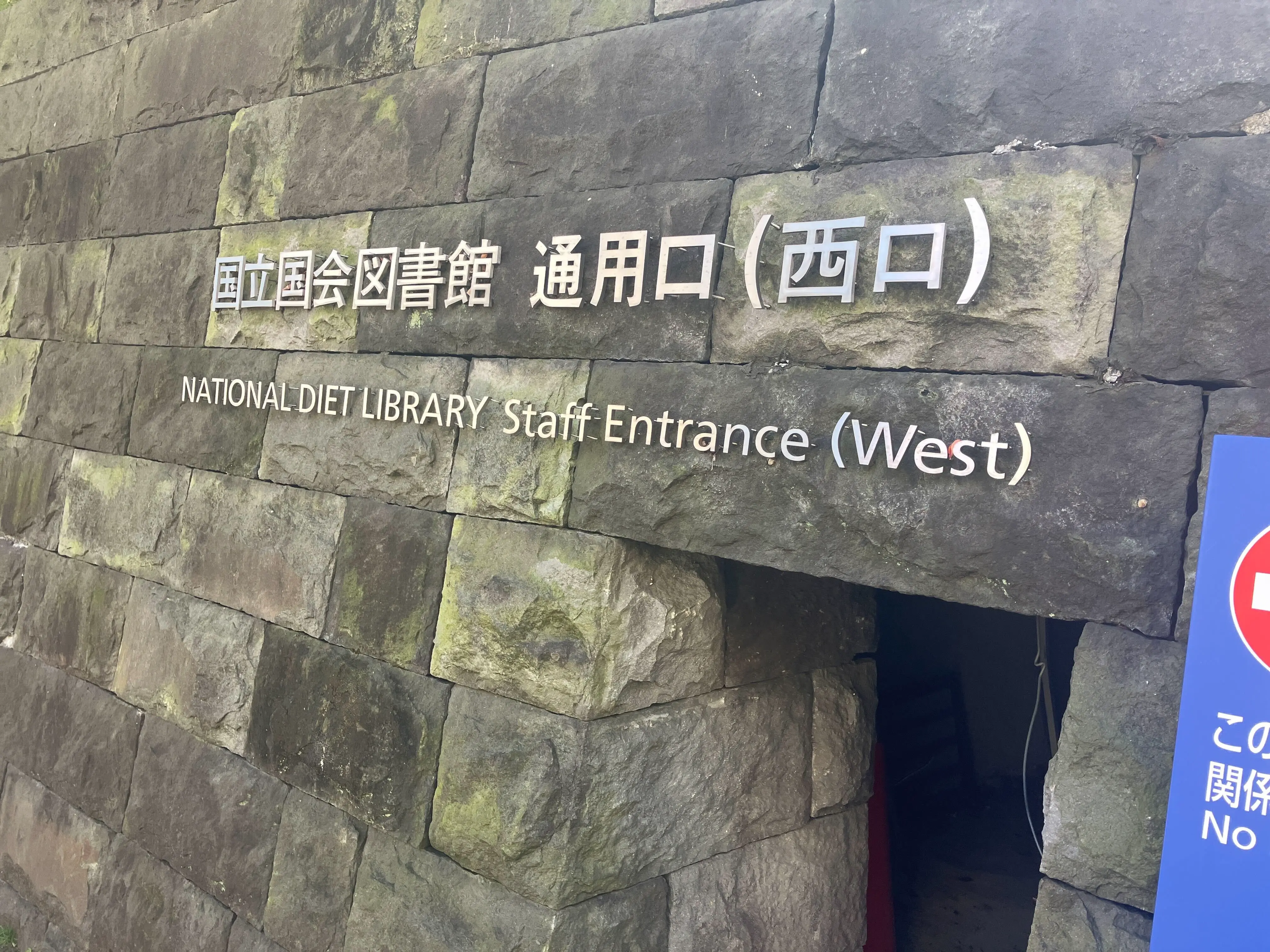
National Diet Library service entrance (west gate)
At the deposit counter, hand over the book and fill out the paperwork. Once the procedure is complete, they'll give you a receipt.
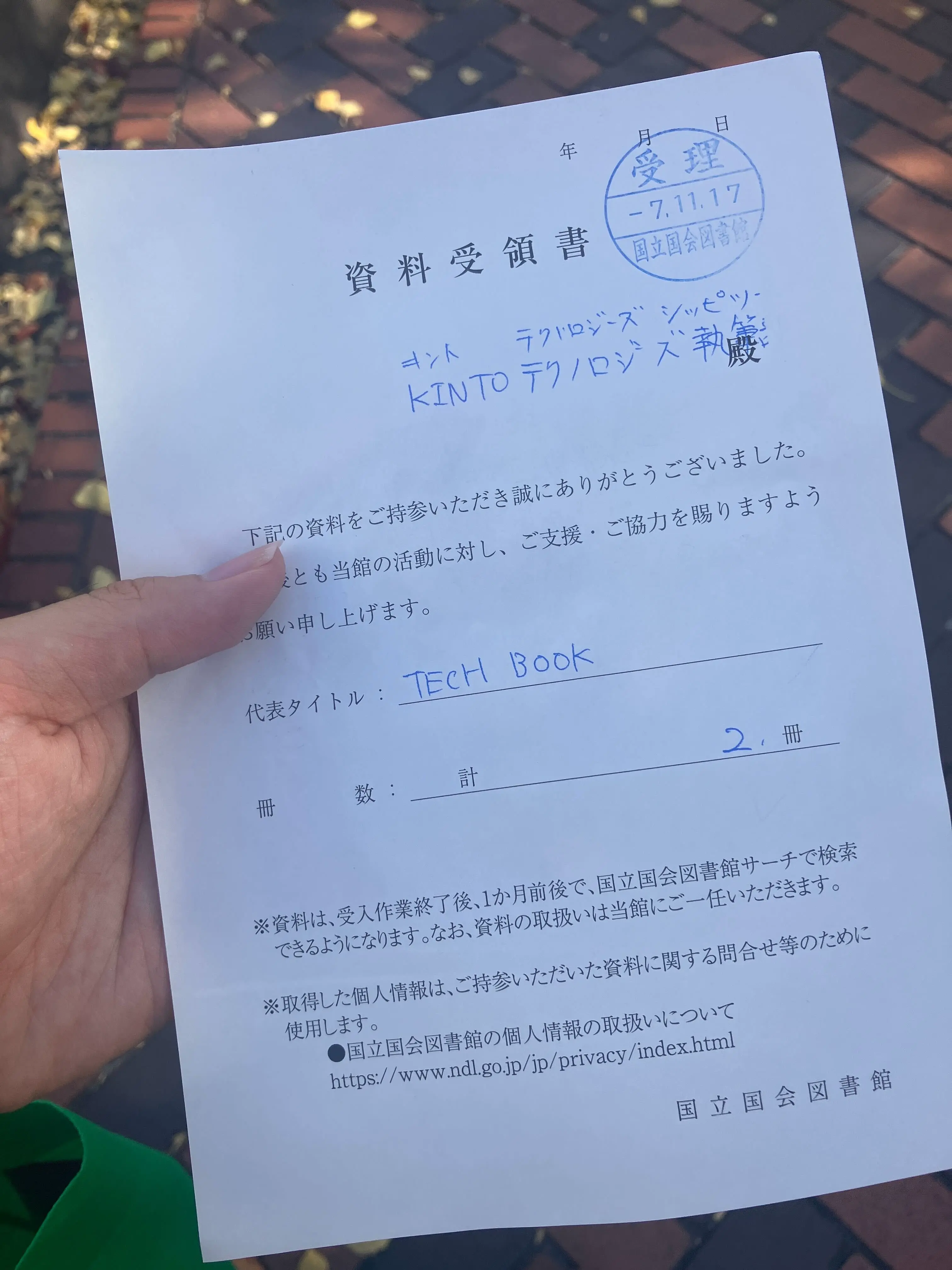
Material receipt
After depositing, the book appears in National Diet Library Search results and becomes available to read as a resource at the National Diet Library.
Reflections After Completion
Don't Try to Do Everything Alone; Reach Out for Help
Even creating just one book involves many decisions and tasks, and handling everything alone is quite difficult.
It's better to delegate tasks that others can do, or that others can do better than you.
The Technical Book Expanded Our Connections
As well as interacting with attendees at the Techbook Fest offline venue, I believe the connections among company volunteers deepened through creating the technical book.
Set Multiple Early Deadlines
Even though I thought I had set deadlines with plenty of buffer, I still ended up feeling short on time. Next time, I plan to build in an even larger margin. Setting multiple deadlines is important.
Summary
While there were many challenges on the road to participating in Techbook Fest 19, looking back, we gained a lot and it was truly enjoyable.
If this article has piqued your interest, please try taking on the challenge of creating a technical book.
We'll keep working hard so that we can show up even stronger at future Techbook Fests!