
4 min read
Operation
Half-Year Anniversary of the Launch of KINTO FACTORY: A Path of Challenge and Learning

Read the summary
We solved the problem of chaotic release preparation by moving our release process from Confluence to code. Before, there were no templates, and the procedure was hard to track or update. Now, with the release steps stored in code, we can version them, compare changes, and reduce the time and effort needed to prepare each release. This change cut preparation time by about 60% and made the process consistent and repeatable. We fixed the issue of too many false incidents by adjusting our monitoring rules. Early on, errors were flagged as critical even when users weren’t affected. In the first week, we saw over 40 incidents daily. To fix this, we added exclusion settings so only urgent issues triggered alerts. As a result, the number of actual alerts dropped by 70%, and the team could focus on real problems instead of noise. We improved response time from minutes to under 10 seconds by standardizing how incidents were handled. Initially, team members responded differently, and some missed updates in PagerDuty. We then set up Slack workflows so anyone could start responding with a simple command. We also introduced a mob-style incident response where every member joined in and compared responses. This made the process faster and more reliable. The result? After six months, incident handling time dropped from over 30 seconds to under 10 seconds. We reduced false alerts by 70%, and release prep time dropped by 60%. These improvements came from simple but effective changes—moving processes to code, refining monitoring, and creating shared response workflows. The team learned that clear procedures, even in small teams, make operations smoother and more reliable.
This summary was generated by AI. Please refer to the article for accurate details.
Introduction
Hello, I am Nishida, a backend engineer at KINTO FACTORY.
It has been six months since the launch of KINTO FACTORY, and I would like to talk about the problems we encountered since we started operating the service, mainly involving its release and system monitoring, and what we have learned.
About KINTO FACTORY
I will give a brief overview of KINTO FACTORY's service. The service allows you to update functions and items such as hardware and software that are appropriate for your vehicle. With KINTO FACTORY, you add items that you could only pick before when ordering a new vehicle, such as manufacturer options, or vehicle updates that normally require you to go to a dealer. This update service extends to, not only the KINTO lineup but to Toyota, Lexus, and GR vehicles if they are compatible. Almost half a year has passed since it launched this summer.
Operations
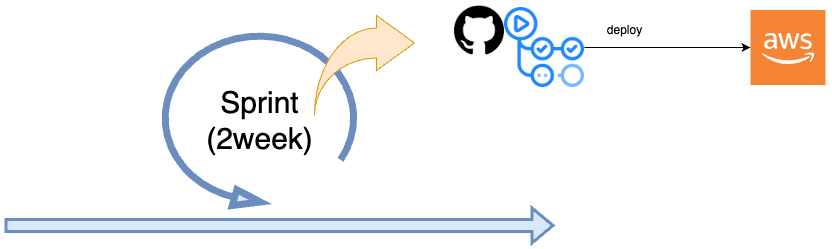
There is a release every two weeks, and we build CI/CD and deploy mainly with GitHub Actions.
The service is monitored mainly by the development team members, who take turns to do so, as there is no established operation team or organization. We use PagerDuty's scheduling function for the rotation.

Incident detection is set up as shown in the illustration.
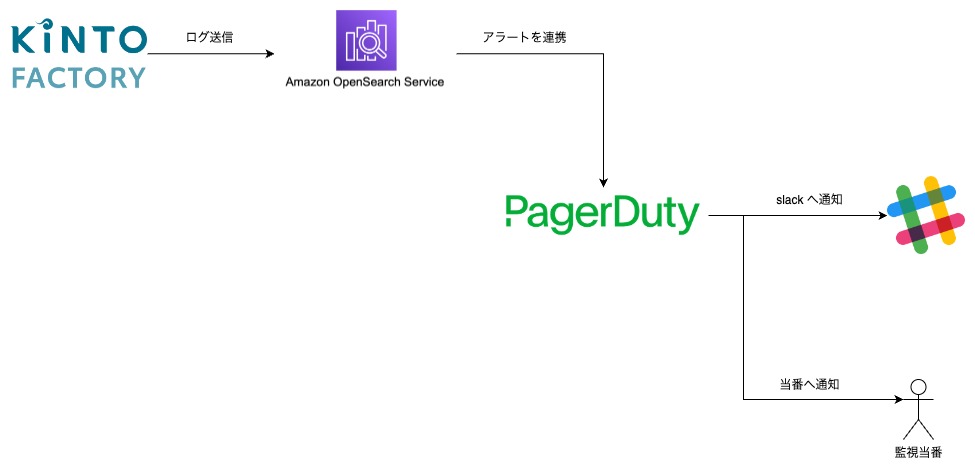
Application logs and service monitoring information are linked to OpenSearch to determine user impact and send notifications to PagerDuty. (The image shows the result of the transmission)
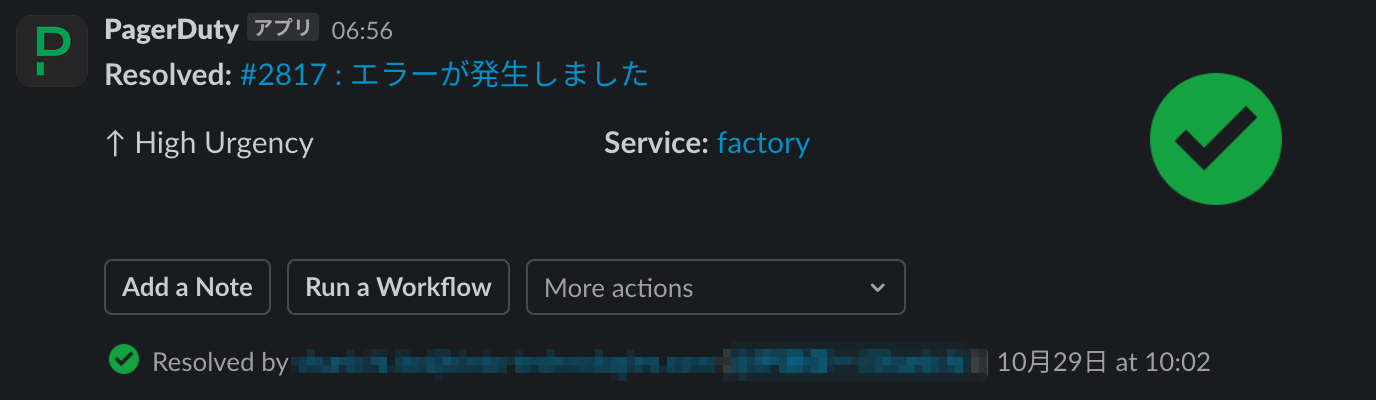
After that, a notification is sent to Slack, and the person on duty to monitor responds. The person in charge responds. We try to get an expert involved when necessary. In addition, the details of the response are shared at the daily scrum the next day so that the team knows.
Challenges and Responses
I will talk about the problems we encountered since we started operations and how we dealt with them.
Preparing for the release had a large burden
It took us time as we had no templates, so we had to start preparing for the release from scratch. Additionally, the task granularity was uneven and the release procedure was managed based on Confluence, so checking and modifying said procedure was complicated.
⇒ Transferring the release procedure manual to code management let us do version control, create templates, confirm differences, and reduce the burden of preparing for the release.

Incidents were detected frequently
The number of incidents within a few days after launch was as follows:
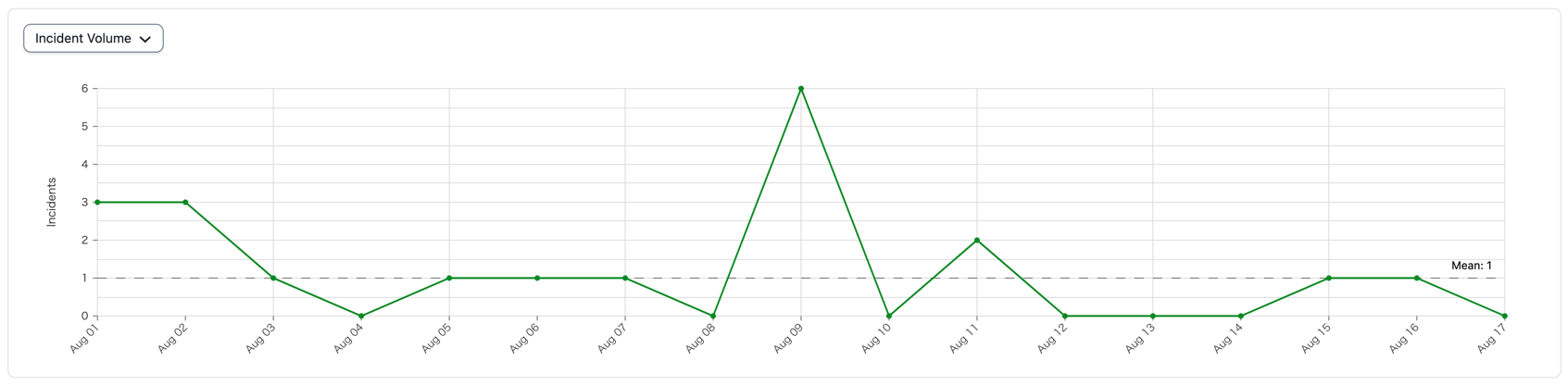
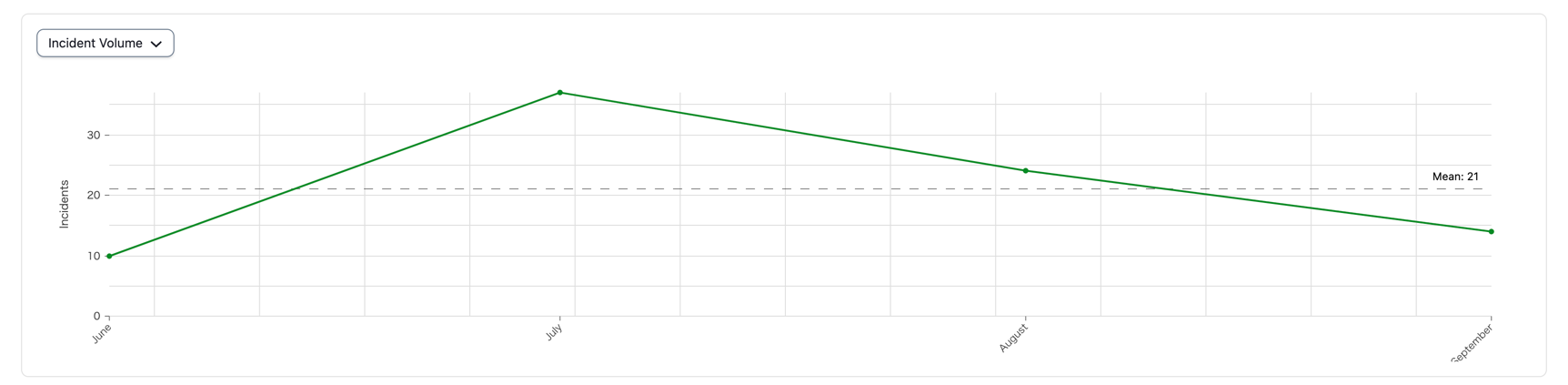
Because the error handling design on the application side was lenient, errors were detected and treated as critical even if they did not affect the user. After we started operations, there were incidents every day, and monitoring was a heavy burden.
⇒ Because there were too many incidents to handle all at once, we optimized by using exclusion settings so that each output was reviewed if it was not urgent, and if it could not be corrected immediately, it would not be notified.
Slow initial response time when responding to incidents
Because the response procedure and other procedures were not organized, members interpreted things differently, and there were times when they took time. There were also members who were not used to PagerDuty and forgot to confirm status updates. ..
⇒ We improved the environment so that members could define workflows in Slack, start responding to incidents by entering a command, and handle incidents according to procedures.
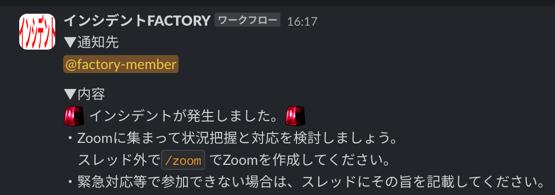
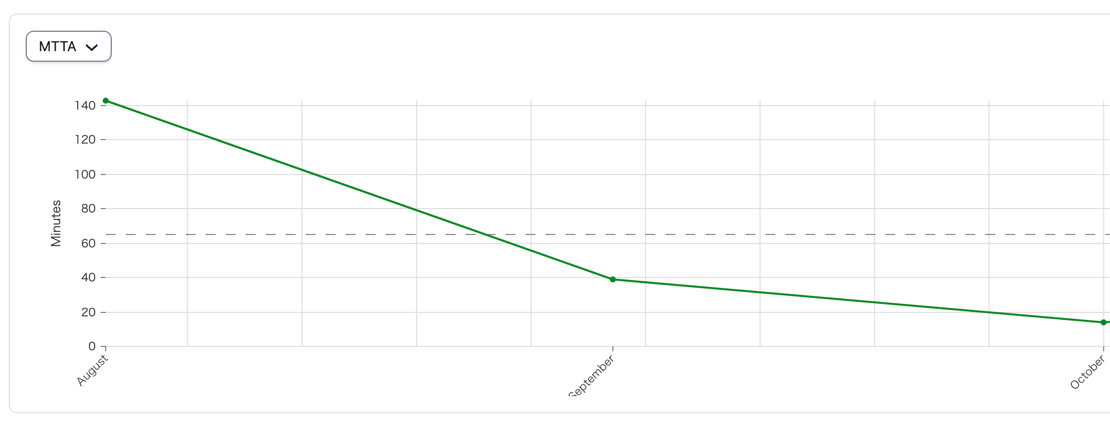
We also made an incident VS team structure in which every team member gathered and handled incidents as a mob while comparing each other's interpretations. By doing so, we reduced the time from when an alert is made to when someone responds down to less than one tenth of the time before.
Summary
We were busy dealing with a variety of problems right after the launch, but it has improved continuously little by little. Looking back, members responded differently based on their experience and knowledge, and I feel that we had a smooth start because we planned in advance what kind of operations to do. We still have room for improvement, but we will continue operations so that we can provide better services for our users!
Conclusion
In this article, I talked about the problems we encountered while operating the service and how we dealt with them. We hope that our experience could be of some help to you. Also, KINTO FACTORY is looking for new members, so if you are interested, please check out the following job openings!

関連記事 | Related Posts



We are hiring!
Follow Us



KINTOテクノロジーズの最新情報をSNSで発信中!イベント・テックブログ更新情報もお届けします。